Associate Researchers
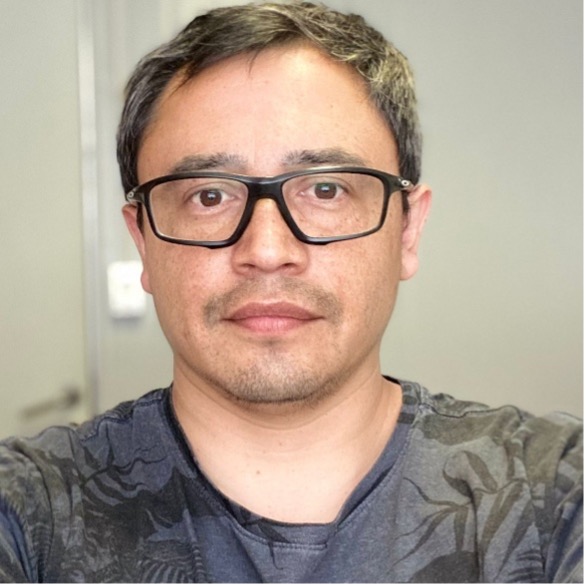
Álvaro Figueroa Calderón
Ph.D. in Science with a concentration in Cellular and Molecular Biology, Universidad Austral de Chile
A biochemist and researcher specializing in molecular biology, molecular diagnostics, and the immune response to zoonotic pathogens, with experience in bovine and human tuberculosis. He has participated in research and development projects focused on genotyping, microbiological culture, and molecular techniques applied to animal and public health. He is currently an adjunct professor at the Universidad Austral de Chile, conducting research in molecular biology, immunology, and the diagnosis of infectious diseases using advanced cellular and genetic analysis tools.
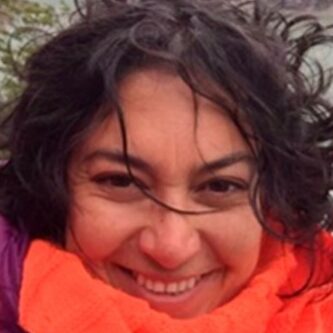
Andrea Silva Báez
Ph.D. in Science, with a concentration in Ecology and Evolution, Universidad Austral de Chile
Biologist and researcher specializing in functional genomics, evolution, and the molecular responses of organisms to environmental stressors. She is currently Executive Director of AUSTRAL-omics and a researcher at the Universidad Austral de Chile, where she leads and advises on scientific and technological projects based on genetic and genomic tools. Her research focuses on the molecular mechanisms associated with insecticide resistance, environmental physiology, and the decline of pollinating insects, integrating genomics applied to conservation and biodiversity.
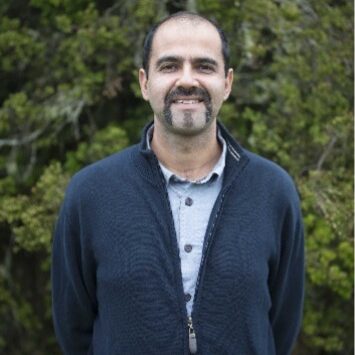
Jorge Pérez Quezada
Agricultural Engineer, University of Chile
Ph.D. in Ecology, University of California, Davis
I am a research associate at the Institute of Ecology and Biodiversity, specializing in ecosystem integrity. My research focuses on estimating carbon pools at the ecosystem level. I also analyze carbon and water fluxes in agricultural and natural ecosystems using direct field measurement methods.
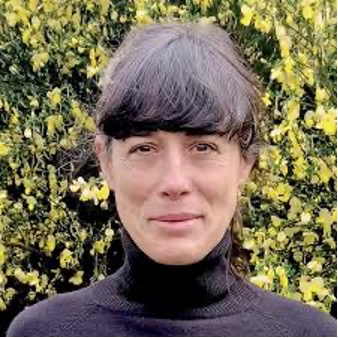
Susana Paula
Ph.D. in Natural Resources and the Environment, University of Cádiz, Spain
An academic and researcher specializing in fire ecology, plant functional biology, and evolutionary ecology, with extensive experience in studying vegetation’s adaptive responses to environmental stress, wildfires, and climate change. She is currently an assistant professor at the Universidad Austral de Chile and a principal investigator at the Institute of Ecology and Biodiversity. Her work integrates ecological research, human capital development, and science communication, focusing on ecosystem resilience, fire dynamics, and the conservation of Mediterranean and temperate forests and landscapes.
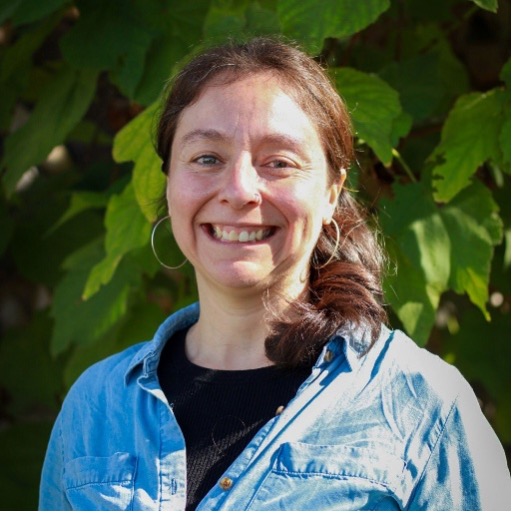
Milen Duarte
Ph.D. in Ecology and Evolutionary Biology, University of Chile
An academic and researcher specializing in socio-ecological restoration, biodiversity conservation, and nature-based solutions, with experience in terrestrial and marine ecosystems. She is currently a professor at the Universidad Austral de Chile, where she directs the Socio-Ecological Restoration Laboratory, and a research associate at the Institute of Ecology and Biodiversity. Her work integrates applied research, post-fire restoration, marine conservation, and land-use planning, linking science, communities, and environmental management to strengthen ecosystem resilience.
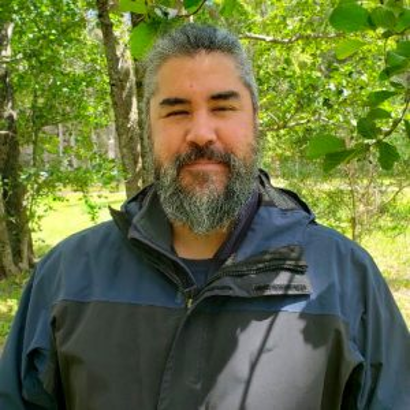
Mauricio González-Chang
Ph.D. in Agroecology and Entomology, Lincoln University (New Zealand)
An academic and researcher specializing in agroecology, entomology, and ecosystem services, with expertise in functional biodiversity and the sustainable management of agroecosystems. He is currently an assistant professor at the Universidad Austral de Chile, conducting research on ecological interactions, beneficial insects, and agricultural sustainability. His career encompasses teaching, applied research, and fieldwork, including studies on native dung beetles and biodiversity conservation in agricultural systems.

Dr. Aníbal Pauchard
PhD in Forest Ecology, University of Montana
Director of the Biological Invasions Laboratory
Full Professor at the School of Forest Sciences, University of Concepción.
He is currently a full professor in the School of Forest Sciences at the University of Concepción. He is the founder and director of the Biological Invasions Laboratory (LIB), a joint initiative of the University of Concepción and the Institute of Ecology and Biodiversity. His research focuses on the ecology of biological invasions and their impacts on biodiversity and ecosystem functions.
Using multi-scale approaches based on field observations and experiments, he has studied the synergies between global change drivers and invasions in mountain ecosystems. He is also interested in issues related to conservation and natural resource management. Pauchard is a contributor to IPBES (Intergovernmental Platform on Biodiversity and Ecosystem Services) and is also an Associate Editor for international scientific journals such as the Journal of Applied Ecology and Biological Invasions.

Dr. Rafael A. García – Scientific Coordinator
Ph.D. in Forestry, University of Concepción
Institute of Ecology and Biodiversity (IEB-Chile)
Faculty of Forest Sciences, University of Concepción
I lead the research division at the VCCB, where I am responsible for developing research projects and fostering scientific collaborations with national and international institutions. Additionally, as a researcher at the Biological Invasions Laboratory, my research focuses on studying the impacts of biological invasions—particularly those involving woody plants—and on developing management strategies for invaded areas. I am also interested in the study of fire ecology to understand how native and exotic plants respond to the effects of wildfires.

Mg. Javiera Díaz Forestier
Master of Science in Natural Resources, Pontifical Catholic University of Chile
Valparaíso Fruit and Vegetable Innovation Center, Ceres
PhytaLab
My work focuses on Chile’s native flora and the popularization of science. I have worked on various research projects related to the use and conservation of native plants, as well as educational projects, courses, workshops, and the publication of books for children and adults. As part of the VCCB Program, I conduct biodiversity inventories for vineyards, participate in biodiversity workshops, and help identify indicators that aid in the design and monitoring of conservation practices.
Dr. Rafael A. García – Scientific Coordinator
Ph.D. in Forestry, University of Concepción
Institute of Ecology and Biodiversity (IEB-Chile)
Faculty of Forest Sciences, University of Concepción
I lead the research division at the VCCB, where I am responsible for developing research projects and fostering scientific collaborations with national and international institutions. Additionally, as a researcher at the Biological Invasions Laboratory, my research focuses on studying the impacts of biological invasions—particularly those involving woody plants—and on developing management strategies for invaded areas. I am also interested in the study of fire ecology to understand how native and exotic plants respond to the effects of wildfires.

Dr. Juan Luis Celis
Ph.D. in Ecology and Evolutionary Biology from the University of Chile
Faculty member at the School of Agronomy, Pontifical Catholic University of Valparaíso
Institute of Ecology and Biodiversity (IEB-Chile)
My research focuses on the ecology and conservation of biodiversity and ecosystem services in rural and urban landscapes, with the aim of developing tools for sustainable development. As part of the VCCB program, I work with my team to conduct biodiversity inventories in partner vineyards, specifically focusing on fauna (birds, mammals, amphibians, and reptiles), as well as leading talks and hands-on field activities during biodiversity workshops.

Juan Armesto
PhD in Botany, Rutgers University, The State University of New Jersey
Principal Investigator at the Institute of Ecology and Biodiversity
Full Professor in the School of Biological Sciences at the Pontifical Catholic University of Chile
It supported the first science-based network providing support and infrastructure for long-term research on Chilean terrestrial ecosystems. Long-term studies conducted at the Senda Darwin Biological Station (SDBS) include monitoring (over 10 years) of tree pollinator assemblages, the role of primary forests in supporting canopy biodiversity, and the assessment of tree recruitment in temperate shrublands. The results shed light on the role of rural landscape ecosystems and the restoration of temperate forests.

Dr. Lohengrin Cavieres G.
Ph.D. in Ecology and Evolutionary Biology from the University of Chile
Full Professor at the Faculty of Natural and Oceanographic Sciences at the University of Concepción.
His research interests focus on the distribution patterns and ecophysiology of native and introduced species along natural gradients, with the aim of identifying the key factors influencing the distribution and abundance of these species and thereby gaining a better understanding of the potential consequences of climate change. To this end, he employs a range of both observational and experimental approaches in various ecosystems, although the primary focus is on high-mountain ecosystems. He serves as an Associate Editor for international scientific journals such as Alpine Botany, Plant Ecology & Diversity, Gayana Botanica, and Ecosistemas.

Dr. Marcela Márquez García
Advisor on the Human Dimensions of Conservation, Río Cruces Wetlands Center
Ph.D.in Interdisciplinary Ecology, University of Florida (EE.UU.)
I conduct interdisciplinary research to understand the perspectives of various stakeholders involved in natural resource management, with the aim of identifying strategies that reconcile economic development with nature conservation. Within the framework of the VCCB Program, my research has focused on identifying the factors that influence the adoption of conservation practices in vineyards, as well as evaluating the biodiversity workshops conducted by the Program. More broadly, I am interested in investigating processes of collaboration and communication among multiple stakeholders, with the aim of applying this knowledge to foster more effective partnerships for innovation and problem-solving in highly complex socio-ecological systems.

MSc. Michel Parra Calderón.
Sociologist and holder of a Master’s degree in the Social Studies of Science and Technology from the University of Salamanca.
Professor in the Certificate Program in Science Communication at the University of Chile.
Independent researcher
I am interested in exploring the various settings in which science-society engagement and communication take place. In recent years, I have specialized in assessing the uptake and social impact of science and technology activities on society, with the aim of designing interventions that foster spaces for horizontal dialogue among different types of knowledge. Like many others, I am concerned about climate change and its consequences. I believe the VCCB Program is making a significant contribution by linking the productive sector with the scientific community; together, they can greatly advance the transition toward a sustainable planet.

Dr. Nélida Pohl
Ph.D. Ecology and Evolutionary Biology, University of California, Irvine
Director of Communications, Institute of Ecology and Biodiversity (IEB-Chile)
ACHIPEC President, 2019–2021
I am the Director of the Science Communication Unit at the Institute of Ecology and Biodiversity, where I develop projects, activities, and resources that bring environmental science to the public. Within the VCCB program, I am responsible for transferring the science we produce to the private sector. The greatest reward of working at VCCB is being able to provide useful tools to encourage private-sector biological conservation, supporting the resilience of partner communities in the face of biodiversity loss, global change, and the resulting loss of ecosystem services.

Pablo A. Marquet
Ph.D. in Biology, University of New México (EE.UU.)
Full Professor in the School of Biological Sciences at the Pontifical Catholic University of Chile
The main focus of my research is the emerging discipline of macroecology, understood as an approach to the study of ecological systems that centers on the search for general, invariant principles underlying observed diversity and variability.
I conduct research on the ecological and evolutionary implications of organism body size in an effort to explain phenomena related to the distribution of body sizes among marine and terrestrial organisms in local communities, island systems, and continental biota.

Dr. Roland Sánchez
Ph.D. in Science, with a concentration in Ecology and Evolution, Universidad Austral de Chile
Marine Biologist, Universidad Austral de Chile
I work in ecosystem ecology, conservation, and microbial ecology, specifically within the VCCB program. Through my doctoral thesis, I analyzed the relationship between native sclerophyllous forests and vineyards in terms of the fungal and bacterial diversity inhabiting the vegetation, with a special emphasis on understanding the implications for the wine industry. The VCCB program has allowed me to become part of an interdisciplinary work environment and to address contemporary socio-ecological issues through science.